
The Future is Now: Q&A with Washington Dental Students
UW School of Dentistry
PNWU School of Dental Medicine
What made you decide to pursue a career in dentistry? What type of dentistry do you hope to practice — and where?
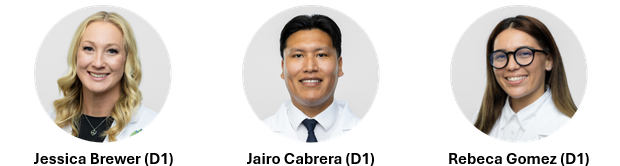
Jairo Cabrera: I was born and raised in Santa Cruz, Bolivia, and I’ve lived In Wenatchee for the past 15 years. Dentistry just made a lot of sense for me; it’s hands-on, problem-solving, and you get to build real relationships while making a visible difference in someone’s health and confidence. PNWU’s mission to serve underserved communities lines up with what I care about, and long-term I want to practice comprehensive dentistry somewhere near home. In terms of specialties, I’d like to keep that door open after meeting some awesome specialists here at PNWU, such as Dr. Hudson and Dr. Horton, their work in oral surgery and periodontics has been eye-opening and reminded me how many directions dentistry can go. So, while I am focused on building a solid foundation right now, I also like the idea of specializing.
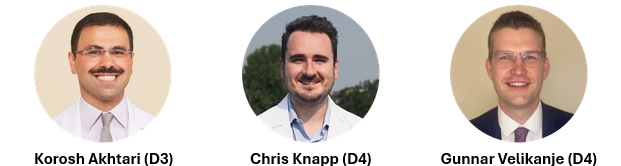
Korosh Akhtari: I am originally from Iran. My family and I have called Washington home for the past 18 years. Growing up, my parents experienced many oral health complications due to a lack of access to a dental provider, and these complications left a big mark on our lives.
Similarly, my brother and I both needed orthodontic treatment. However, my family could not find any providers near us who would accept our insurance, and we were not able to pay for the cost out of pocket. Fortunately, we were both able to get referred to and received care at the UW School of Dentistry graduate orthodontics clinic. I hope to be a provider who can help close this gap by improving access to care. I would love to practice as an orthodontist and be able to help, especially younger adults who would benefit greatly from early intervention and treatment in underserved areas of Washington.
Jessica Brewer: I am originally from Graham [Washington]. I attended high school in Tacoma and earned a Bachelor of Science in Environmental Science with a concentration in Biology from the University of Washington Tacoma. I have proudly served in the Air Force Reserves for nearly 15 years. Prior to becoming a dental assistant, I did not know anyone that worked in the dental profession.
Looking ahead, I hope to practice dentistry in a setting where I can give back to underserved communities, whether at a VA facility or in my hometown of Graham, serving the surrounding rural population. While I am strongly interested in pursuing oral and maxillofacial surgery, I am equally grateful for the opportunity to serve patients as a general dentist and make a meaningful impact on their oral health.
Gunnar Velikanje: I am originally from Yakima, Washington. I completed my undergraduate education at the University of Washington and continued to dental school there. I am currently a fourth-year dental student in the RIDE (Regional Initiatives in Dental Education) program, which has given me valuable exposure to providing care in underserved and rural communities across the state.
My maternal grandfather was a dentist who served in the military in Japan for several years before returning to Yakima to practice privately. Unfortunately, I never had the opportunity to meet him before he passed away, but the stories shared by my family and the strong reputation he left behind had a lasting impact on me.
I hope to practice general dentistry in a rural setting following graduation. Growing up in Yakima, I saw firsthand how many people face significant barriers to care. Those experiences strongly influenced both my career choice and my decision to train in a program focused on serving rural and underserved populations. My goal is to provide meaningful care to patients who need it most while also working to reduce the barriers that prevent them from receiving that care.
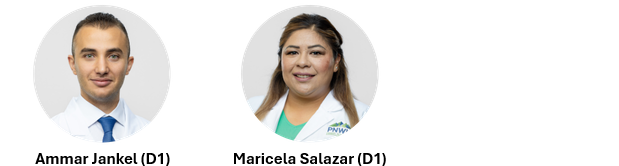
Ammar Jankel: I was born and raised in Mosul, Iraq. My family and I came to the United States after we were forced to leave due to ISIS. My mother is a dentist, and I’m proud of her. She practiced dentistry in Iraq, and growing up around her work introduced me to the profession — but it also made me ask an important question: Was I drawn to dentistry because my mother is a dentist, or because it was truly my path? I found my answer through volunteering. During an emergency department volunteer shift, I saw how a neglected dental problem could escalate into a serious medical situation when access to care is limited. That moment changed how I understood dentistry and pushed me to learn more about dental disparities affecting rural and underserved communities. It also made my decision clear: this path isn’t only about me. It’s about something bigger — serving rural and underserved patients and families with dignity, compassion, and consistent access to care. I want to do general practice, but at the same time I love oral surgery. It will depend on whether the area I serve needs an oral surgeon.
Rebeca Gomez: I’m originally from La Frontera, the Tijuana-San Diego region. Dentistry drew me in because of its creative, hands-on nature and the personal level of care it provides. I value the ability to give back in a way that can truly change someone’s life. I’ve always loved working with my hands and solving problems. Dentistry brings those strengths together in a way that feels purposeful.
I’ve enjoyed getting to know Washington’s vibrant dental community and all the seasons this state has to offer. I really see myself laying down roots and a long-term career in this region.
Chris Knapp: I was born in San Diego, California, but I have spent most of my life living in Washington. I have been fortunate to have many close family members, friends, and mentors in the dental profession. I was blessed to grow up with my mom as my dentist, who is also a University of Washington School of Dentistry graduate from the class of 2001.
After graduation, I am very excited to be joining Mukilteo Dental Center, working alongside amazing UW Dental School graduates. I have had the privilege of working for this office before dental school and have continued to work there on weekends throughout my four years of dental education.
Maricela Salazar: I decided to pursue a career in dentistry because of my own early experiences with limited access to dental care. As a child, I was never seen in a traditional dental office and did not receive preventive dental services. My first encounter with a dentist was on a mobile dental unit in rural Michigan, where a “dentist on wheels” treated me after days of being unable to chew on one side of my mouth due to pain.
That experience left a lasting impression on me. It showed me how meaningful and immediate the impact of accessible dental care can be, especially for individuals in underserved communities. Being relieved of pain and able to function again inspired me to want to provide that same care for others.
I hope to practice dental public health, returning to community-based settings where access to care is limited, and serving populations like those I grew up alongside.
Costs and student debt burdens are obviously big issues for dental students. What are some of the hurdles/barriers to people pursuing careers in dentistry?
Ammar: Lack of mentorship for pre-dental students is a major barrier — especially for those from underserved backgrounds. Many capable students don’t see dentistry as attainable because they lack guidance, or because challenges along the way wear them down, such as family responsibilities or even the loss of a loved one. Without strong support systems and encouragement, balancing rigorous coursework, DAT preparation, work, and family obligations becomes one of the biggest hurdles. That’s why mentorship matters — because the right support can change someone’s entire trajectory.
Maricela: Balancing the rigor of dental education with family responsibilities. As a mother of three, I have experienced firsthand how demanding coursework and clinical expectations intersect with real-life challenges. During my first year, unforeseen situations such as caring for a sick child and navigating limited childcare availability have highlighted how difficult it can be for students with families to meet both academic and personal obligations.
Jessica: Limited early exposure to the profession. Many students —particularly those from rural or underserved communities — may not have access to mentorship, shadowing opportunities, or guidance on the path to dental school. The length and intensity of dental education can also be daunting, especially for individuals balancing family responsibilities, military service, or other professional commitments.
Rebeca: The ever-changing landscape of the dental practice itself. The rise of private equity and large DSOs has shifted how many people view the profession. It starts to paint the picture that traditional, independently owned practices are harder to sustain. That loss of autonomy and community-based care feels discouraging for students who are drawn to dentistry for its independence and patient relationships.
Jairo: The “hidden curriculum” of how to even get into dentistry, especially if you’re first-generation or don’t have dentists in your circle. I had to figure a lot out on the go: How to fund my education, how to study efficiently for tough science courses and admissions exams, how to build relationships with mentors, and even what experiences actually make you a strong applicant.
University of Washington
How concerned are you about some of the industry challenges (workforce shortages, rising operational costs, dental benefit reimbursement rates, etc.) impacting your future within the dental profession? Do you talk about these challenges in school?
Gunnar: Workforce maldistribution remains a major issue, with many rural and underserved communities lacking adequate access to care while urban areas become increasingly saturated. This imbalance is closely tied to insurance reimbursement models and the financial pressures of running a practice.
Rebeca: Beyond the cost of tuition and student debt, I think uncertainty plays a major role in discouraging people from pursuing dentistry. Policy changes affecting student loans, such as loan caps without corresponding limits on tuition or expanded financial support programs, make the path feel financially risky, especially for students like me who come from a nontraditional or underserved background.
The rise of private equity and large DSOs has shifted how many people view the profession. It starts to paint the picture that traditional, independently owned practices are harder to sustain. That loss of autonomy and community-based care feels discouraging for students who are drawn to dentistry for its independence and patient relationships.
Chris: I am aware of several industry challenges that may impact my future in dentistry including workforce shortages, rising operational costs, reimbursement pressures, and rapidly evolving technology. These topics are discussed in dental school, particularly in the context of practice management, and they are realities that I know I will encounter as I enter the profession.
Maricela: I am particularly concerned about workforce shortages in dental public health. A lack of dentists directly impacts access to preventive dental care and often leads patients to seek urgent oral health care in emergency rooms, which is not an ideal or sustainable solution.
At the same time, reimbursement rates for dental services have decreased, which can further limit patient access and exacerbate existing disparities in care. In addition to provider shortages, burnout among dental professionals has been increasing, which can worsen the cycle by driving more providers away from public health settings. These challenges are discussed in school, and one aspect I value about my dental program is its focus on addressing them.
Korosh: Low insurance reimbursement rates continue to create challenges for both providers and patients. Providers have a harder time paying overhead with rising costs while treating patients with lower reimbursement rates. In turn, this limits practice sustainability and creates additional barriers for patients when trying to find care.
Are you involved in any student groups within the dental school?
Chris: During my first two years of dental school, I served on my class council as the Member at Large. Taking on this role, I wanted to be an advocate for my classmates and serve as a positive and constructive voice for change. It also reminded me that though dental school can feel like a very personal experience, it is also about stepping into a profession that is much bigger than yourself.
I have also been involved with both ASDA and the Washington State Dental Association. Through these organizations, I have attended a variety of events and lunch-and-learns that provided valuable insight into practice management, advocacy, insurance, and life after graduation. Additionally, I currently have the privilege to serve as a student representative on the WSDA Wellness Task Force. It is especially meaningful to be able to advocate for the mental health needs of dental professionals.
Jairo: I’m currently the class VP, which lets me advocate for my classmates and keep communication strong between students and faculty. I’m also the VP of the Oral Surgery Club; I’m genuinely interested in learning more about that side of dentistry and getting exposure to procedures and pathways I may want to explore later. I am also a member of the new Perio club since periodontics is such a core part of everyday dentistry and I want to strengthen my foundation in managing gum health and disease. I’m also really looking forward to being involved in the upcoming Hispanic Dental Association chapter at PNWU; representation and mentorship matter to me, and I’d love to help create a supportive space for future students with similar backgrounds as mine.
Ammar: I’m a member of ASDA and the Oral Surgery Club, and I plan to get more involved as I progress through dental school. I joined ASDA to stay connected to organized dentistry early and better understand the issues shaping our profession. I joined the Oral Surgery Club because I genuinely enjoy surgery and want to keep building my foundation — both to be prepared for surgical situations I’ll face as a general dentist and to explore oral surgery further as a potential path.
Korosh: I am honored to have the opportunity to be involved in student leadership at UWSoD, both in my class student government and on the Student Council. In class student government, I serve as the Member at Large. I also serve as the president of the UW School of Dentistry Student Council.
Maricela: Our dental school is currently working toward establishing a chapter of the Hispanic Dental Association, and I hope to be actively involved. As a first-generation student, I know how challenging it can be to navigate financial and institutional resources without guidance.
Jessica: I currently serve as president of the Oral Surgery Club, treasurer for our newly established ASDA chapter, a committee member for the Northwest Interprofessional Health Collaborative, co-mentor for the Roots-to-Wings program, and vice chair of the Event Planning Committee.
Rebeca: My involvement began with being elected class president, which has allowed me to be part of conversations that shape the student experience, often in ways that aren’t immediately visible. Organizing events through the Wellness Committee has also been a rewarding way to bring our cohort together and create a space where students feel supported on a personal level. I am also involved as a founding member of the Oral and Maxillofacial Surgery Club and serve as president of Gums N’ Roses, our Periodontology Club. My hope is that these structures continue to grow and support future students long after we’ve graduated from PNWU.
Gunnar: I have been heavily involved with ASDA throughout dental school. I was elected president-elect during my first to second year, transitioned into the role of president at the end of my second year through my third year, and I currently serve as a board member in the advocacy position.
What do you find the most rewarding about dental school? The most challenging?
Ammar: Honestly, the most rewarding part is being in dental school at all. After everything it took to get here, it’s meaningful to finally spend my days learning what I genuinely love—skills and knowledge I’ll use to help patients for the rest of my career. I’m also grateful to be training in an environment with strong faculty and high standards, because it pushes me to grow into the kind of well-rounded, top-tier doctor I want to be.
Rebeca: The most challenging part has been the transition from working full-time as a dental hygienist to becoming a full-time student again. As a hygienist, there’s a clear end to the workday. In dental school, the work doesn’t stop. Learning how to balance it all has been an ongoing adjustment.
Jessica: The most rewarding aspect of dental school has been seeing my growth in hands-on clinical and laboratory skills. Being able to compare my early work to my most recent projects is incredibly motivating and reinforces that the time and effort invested are paying off.
The most challenging aspect has been time management. Balancing a rigorous academic workload alongside family responsibilities and military commitments requires careful planning and discipline, but it has also strengthened my ability to prioritize and manage responsibilities effectively.
Chris: The most rewarding part of dental school has been building meaningful relationships with patients and seeing tangible improvements in their oral health. Being able to help patients transform their smiles and, in turn, their confidence has been incredibly fulfilling. I have also been grateful for the opportunity to learn from faculty providers and professors who have dedicated their careers to the field of dentistry. Their mentorship, clinical guidance, and commitment to education have played a significant role in my development as a future dentist.
The most challenging aspect of dental school has been balancing clinical duties with academic demands while maintaining personal well-being. Learning to manage time effectively and remain engaged in clinical, personal, and academic environments has been an ongoing learning process. Additionally, balancing the cost of living in Seattle with the financial obligation of dental school and daily life has presented its own challenges.
What has surprised you the most about dental school to date?
Korosh: The community that we have been able to foster in a high stress educational field. It is not easy to balance the challenges of life and the demands of dental school, yet I am so grateful for the compassion that I have seen within the community from both my peers and colleagues in the field.
Maricela: How rapidly technology has transformed the dental workflow. During dental hygiene school, I learned to take, develop, and process X-rays in a darkroom, whereas digital imaging now allows for immediate results, more efficient retakes, and clearer visualization for both providers and patients. These advances improve clinical decision-making, and enhance patient understanding and trust, ultimately leading to more timely, accurate, and patient-centered care.
Jessica: The strong connection with faculty and staff. The level of support and mentorship within our program has exceeded anything I have experienced before and has created an environment that truly fosters student growth, confidence, and success.
Rebeca: The sense of support that exists within our school at every level, both institutionally and personally. Our administration quickly adapts to the needs of the student body. Although being part of the first graduating class comes with its own challenges, PNWU is clearly committed to student success, whether that means making time for a weekend Zoom call or maintaining an open-door policy. It’s been reassuring to be in an environment where students are genuinely supported.
That same sense of support reaches beyond the dental school itself. I’ve been happily surprised by the depth of friendships I’ve built across other professional programs, especially within the College of Osteopathic Medicine. Before long, students across the DMD, PT, OT, and COM programs will be spread across the country, so I hold onto those small moments. They matter so much in the middle of such an intense journey.
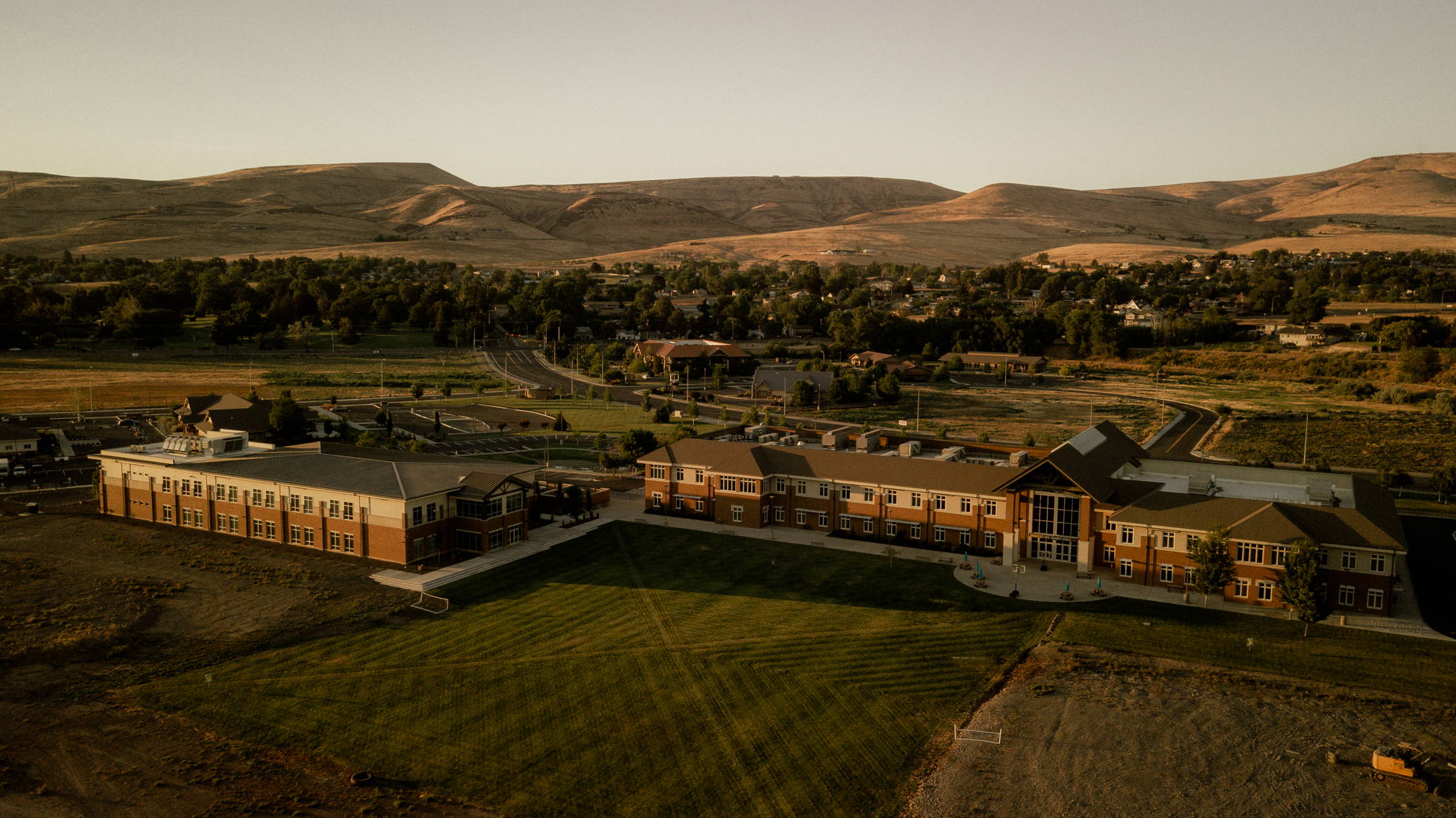
Pacific Northwest University
How much do you know about/are familiar with WSDA?
Rebeca: I first became familiar with WSDA during orientation week when immediate past president, Dr. Chris Dorow, spoke to our class. His talk was memorable, and it left a strong first impression of the organization. Since then, I’ve continued to learn more about WSDA through our faculty, Dr. Kevin Hudson, who serves on the board of directors. From what I’ve learned, WSDA plays an important role in advocacy and in representing the interests of dentists across the state.
Korosh: Through my service in Student Council, I have had the pleasure of working with the WSDA and their dedicated leadership, and I am truly grateful for their continued partnership and support.
WSDA plays an important role in educating dental students through a series of sponsored lectures and educational opportunities offered throughout the years. They also strongly advocate for the profession and encourage students to become involved in advocacy efforts early in their careers. Dental Action Day is a great example of WSDA supporting dental students by providing the opportunity to engage in and help guide legislative efforts that directly impact the profession.
Jairo: I am not super familiar with the WSDA yet, but I do understand the impact they have in advocating for dentists and patients across Washington, especially when it comes to policy and protecting access to care. One thing I really respect is how they support the profession through advocacy at the state level, because decisions made in Olympia can directly affect what care looks like for patients and how we practice day to day.
Jessica: I am somewhat familiar with the WSDA through my attendance at the Pacific Northwest Dental Conference and through interactions with dentists who are active within the organization. While I have a foundational understanding of WSDA’s role in supporting the profession, advocacy, and continuing education, I recognize there is much more to learn and look forward to becoming more engaged as I progress in my career.
Gunnar: I’m very familiar WSDA due to my history of lobbying with them and attending various WSDA events. Through these experiences, I’ve had the opportunity to network with dentists from across the state, gain insight into the association’s initiatives, and see firsthand how WSDA works to advocate for the profession, influence legislation, and support both dentists and the communities they serve.
WSDA is interested in learning more about new dentists and what they want from their association. What can WSDA do to help new dentists be successful?
Ammar: WSDA is already taking a strong step with the new-dentist dues structure — it keeps new grads connected when support matters most.
Rebeca: There is an important opportunity for WSDA in leadership development. When looking at WSDA’s presidential leadership over the past 10 years, there has been limited gender and ethnic diversity at the very top. While progress has been made in some areas, the lack of representation at the highest level raises an important question: if diversity is not present at the top, how can meaningful change be expected? Creating intentional leadership pipelines for students and early-career dentists helps ensure that future leadership better reflects the profession and the communities it serves. Representation at that level signals belonging, possibility, and long-term engagement in organized dentistry.
Gunnar: By strengthening and expanding a mentor network. This would help bridge the rapid transition from the close oversight of dental school to the limited or absent oversight many new dentists experience in the real world. Having access to a trusted mentor to discuss clinical decision-making, treatment planning, and practice management would provide invaluable guidance and confidence during the early years of practice.
What services or benefits would be most beneficial to you?
Gunnar: Support for rural and underserved practice opportunities would further help new dentists build sustainable, fulfilling careers where they may otherwise not have considered, all while helping close the gap in access to care.
Jairo: As a first-year student, anything that helps me feel more prepared for the transition from school to real-world dentistry. Mentorship and networking with practicing dentists would be huge, especially getting guidance on clinical expectations, career paths, and how to navigate the profession early on. I’d also really value practical resources like CE opportunities that are student-friendly, help with licensure and career planning.
Jessica: WSDA can support new dentists by expanding access to mentorship, practice-management education, and early-career networking opportunities. Guidance on topics such as transitioning from dental school to practice, navigating employment contracts, financial planning, and work-life balance would be especially valuable. Continued advocacy on behalf of new dentists, along with accessible continuing education and leadership development opportunities, can help ensure a smooth transition into the profession and long-term professional success.
Looking long term, what impact do you hope to have as a dentist? In 10 years, what does success look like to you?
Ammar: Long term, I want to be the kind of dentist people can rely on — especially in communities where access has always been limited. In 10 years, success looks like a stable practice serving underserved and rural patients consistently, with a reputation for high-quality work, fairness, and trust — and also mentoring students or new dentists to serve those same communities.
Korosh: I would love to practice in a community that can truly benefit from my presence and service as an orthodontist. Ultimately, success to me is service to my community and loved ones in a way that supports their health, growth, and happiness, because their success is my success.
Maricela: I hope to make a meaningful impact by providing accessible, equitable, and high-quality dental care that is culturally sensitive and responsive to the needs of my community. In ten years, success for me would mean practicing in a setting where patients feel respected, heard, and empowered in their oral health decisions. I also hope to be contributing to improved access to care for underserved populations while continuing to grow as a clinician and contribute to a dental workforce that reflects and understands the communities it serves.
Jairo: One of my earliest memories connected to dentistry is watching my dad struggle with an infected molar and having to weigh whether he could afford treatment or keep food on the table. Experiences like that stay with you, and they’ve shaped the kind of dentist I want to become. And if in 10 years I’m still proud of how I treat patients, still pushing myself to learn and grow, and still serving with purpose, I’ll consider that a win.
Jessica: In 10 years, success to me means being a trusted leader in my community—someone patients rely on for compassionate, evidence-based care and someone colleagues turn to for collaboration and mentorship.
Gunnar: I want to give back to the communities of eastern Washington that helped raise me and shape me into the person I am today. Beyond impacting my patients, I also hope to inspire the next generation of dentists to pursue a career that is unique, challenging, and deeply rewarding.
In 10 years, success looks like going to a job I truly enjoy each day, growing my family, and putting down strong roots in my community. It means being fully invested, both professionally and personally, by building lasting relationships with patients, contributing beyond the clinic, and truly jumping in to support the community I serve.
Chris: The dentist I hope to become is inspired by the mentors who have shaped me and shown me that dentistry is more than clinical care. It is a platform for service, leadership, and compassion. I strive to be a trusted presence in my community, supportive of my team, and committed to giving back. Equally important to me is mentoring future dental professionals, as I have benefited greatly from the guidance of others. If I can look back and see that I cared well for my patients, supported those around me, and made a positive impact beyond my practice, I will consider my career a success.
Rebeca: When I think about success 10 years from now, it doesn’t look like settling into a routine. It looks like staying curious, continuing to ask better questions, and growing alongside the field. It looks like showing up for patients consistently, earning their trust, and making dental care feel a little less intimidating than they expected.
I hope to keep raising the standard for what compassionate dentistry looks like. Dentistry doesn’t have to feel cold or frightening. If I can help create spaces that feel welcoming, preventive, and human, then I’ll know I’ve made a lasting impact.
This article originally appeared in Issue 1, 2026 of the WSDA News.
